
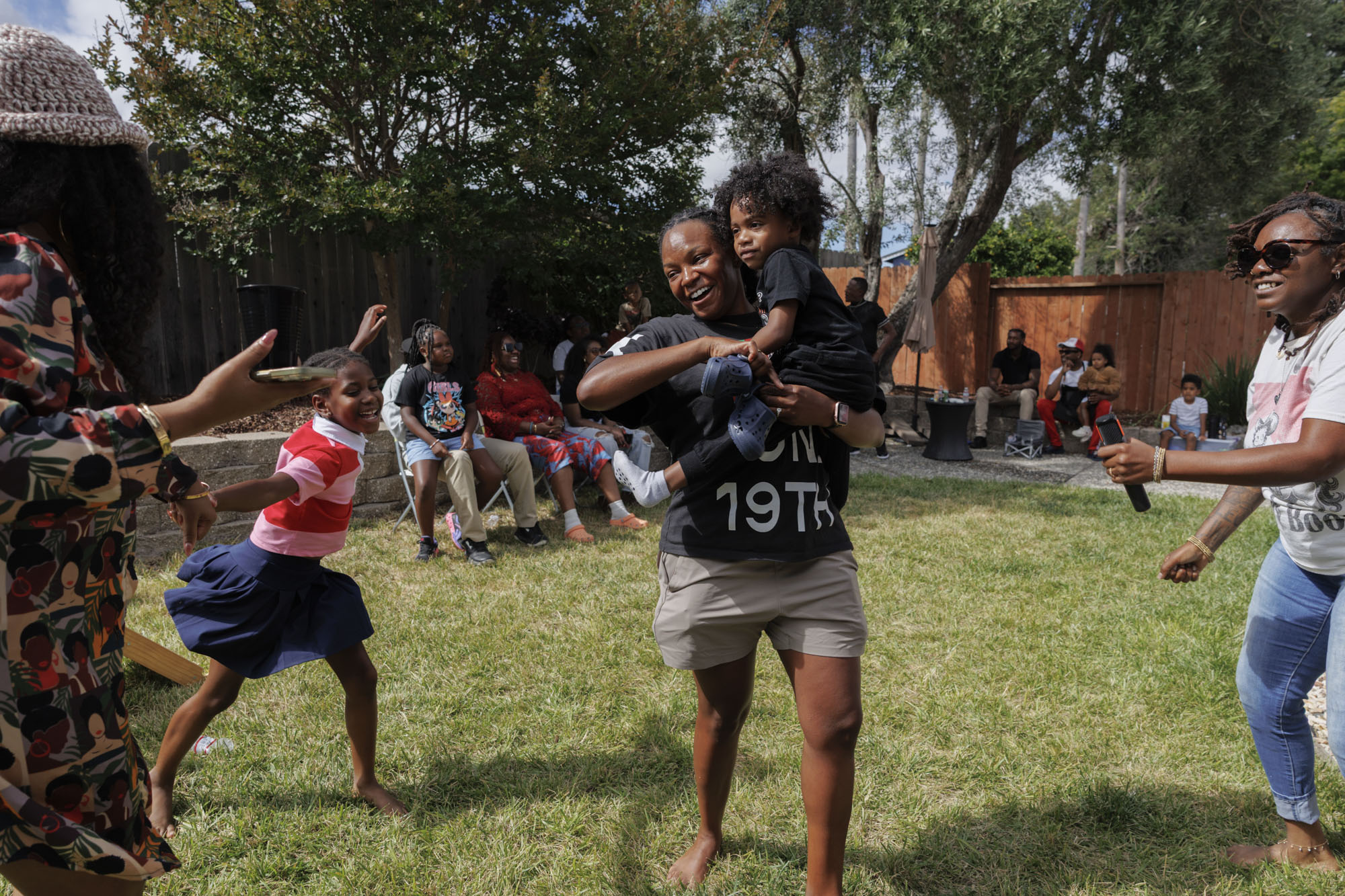
Whether at home or at work as a policy strategist and university lecturer, Ashley Williams said she feels relaxed sliding between Black English and standard English.
She didn’t feel comfortable communicating this way growing up in South Los Angeles.
Read more California Lawmakers Defend New ‘Glock Ban’ in Face of Trump Lawsuit
Williams said that when she was 3 or 4 years old, her grandmother would correct the way she pronounced words like “napkin” whenever she dropped the “p” sound. Her older sister and cousin also told her the way she spoke: “amongst our community wasn’t OK at the schoolhouse.”
Generations of Black children grew up learning that their home language wasn’t acceptable in school or the workplace. Many internalized the belief that Black English — sometimes referred to as African American Vernacular English, or AAVE, African American language or Ebonics — is bad English, loaded with slang and grammatical errors.
Read more Golden Gate Bridge Gaza Protesters Deadlocked on Felony Conspiracy Charges
Read more The Overlooked History of Native Tribes in America’s Founding