
A productive garden changes with the calendar. In spring and summer, sheds and garages fill with tools, planters, hoses, lawn equipment, and outdoor accessories. Once the growing season ends, much of that gear suddenly becomes unnecessary—but simply piling everything into a corner can create clutter and make next year’s preparation much harder.
A thoughtful seasonal storage routine gives gardening equipment a defined place while protecting valuable tools from unnecessary wear. It can also free up room at home during the months when outdoor equipment is used less frequently.
Start With a Garden Equipment Audit
Before storing anything, take everything out and sort it into groups. Hand tools, power equipment, watering supplies, containers, outdoor furniture, and seasonal accessories should not necessarily be handled in exactly the same way.
Look for broken handles, damaged hoses, rusty tools, missing components, and equipment that has not been used for several seasons. There is little benefit in using valuable storage space for items that are no longer functional.
Separate Next-Season Essentials
Keep equipment that will definitely be needed when gardening begins again. Items that are rarely used can be placed deeper into the storage area, while frequently needed tools should remain easy to reach.
This simple distinction makes seasonal storage considerably more practical because you will not have to move half the shed just to find one pair of pruning shears.
Clean and Prepare Equipment Before Storage
Dirt, moisture, plant residue, and fertilizer can create problems when equipment remains untouched for months.
Wash or wipe down hand tools and allow them to dry completely. Remove soil from shovels, rakes, hoes, and other implements before putting them away. Check cutting tools for damage and follow the manufacturer’s recommendations for maintenance.
Power equipment may require additional preparation. Depending on the specific product, fuel, batteries, filters, blades, or other components may need attention before extended storage.
Never rush this stage. Equipment that enters storage clean and dry is much easier to put back into service when the next gardening season begins.
Choose a Suitable Storage Location
The right location depends on the equipment involved. A dedicated garden shed can be convenient, but garages, utility areas, or professional storage can also work for households with limited space.
Think About Temperature and Moisture
Many gardening tools are made from metal, wood, plastic, rubber, and electrical components. Excessive moisture can encourage corrosion, while extreme environmental conditions may affect some materials.
Keep equipment away from unnecessary dampness and protect sensitive items according to their manufacturer’s recommendations.
If your household has accumulated more gardening equipment than the property can comfortably accommodate, Price Movers can provide additional storage options for seasonal belongings. More information about its moving and storage services is available at https://pricemovers.com/.
Organize Tools by Function

A well-organized storage area should make sense when you return to it months later.
Keep hand tools together, watering equipment in another section, and larger lawn-care equipment in a designated area. Small accessories can be stored in labeled containers so they do not disappear among larger items.
Long-handled tools can often be kept vertically using suitable racks or organizers. This saves floor space and reduces the chance of tools being damaged by constant stacking.
Protect Hoses, Pots, and Containers
Gardening equipment includes much more than shovels and lawnmowers.
Hoses should be drained and stored neatly rather than left tangled on the floor. Empty plant containers before storing them and clean away remaining soil or organic material. Stack compatible pots carefully to reduce the amount of space they occupy.
Seed trays, garden supports, decorative items, and other small accessories can be grouped into clearly labeled boxes.
Consider Professional Storage When Space Runs Out
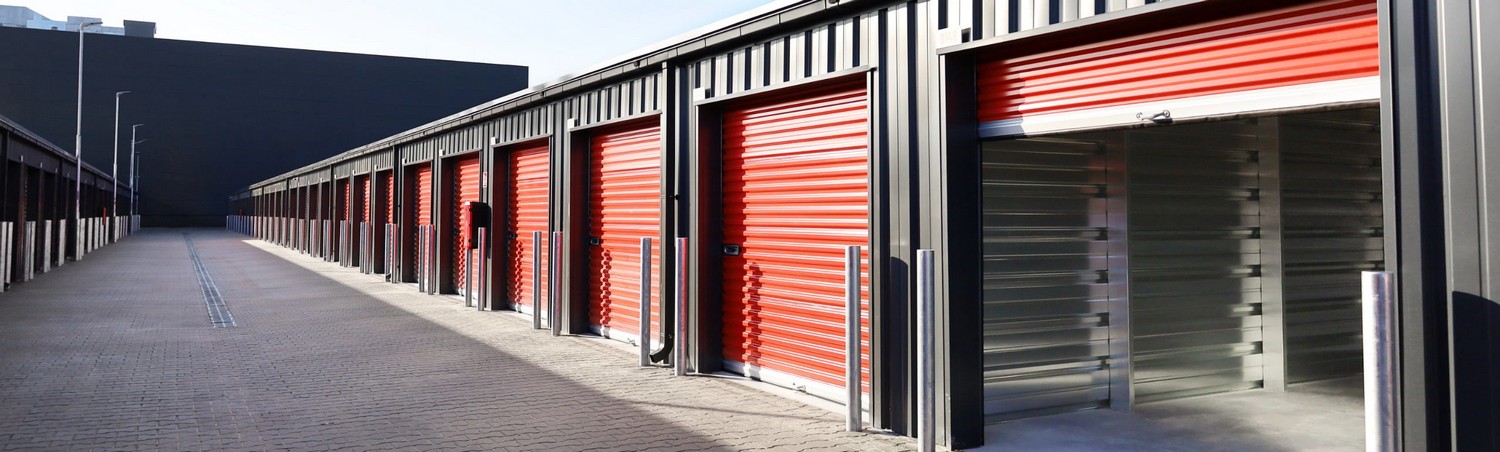
Some households simply do not have enough room for a complete collection of gardening equipment. A crowded garage may also need to accommodate vehicles, bicycles, tools, household items, or renovation supplies.
In such situations, seasonal storage can move less frequently used belongings away from the home without requiring permanent disposal.
Price Movers offers storage solutions that can accommodate different household belongings, making it possible to combine transportation and storage when equipment needs to be moved out of the property.
Create a Retrieval System for Spring
The best storage plan anticipates the next season.
Before closing the storage area, take a quick inventory and note where important equipment is located. A few photographs of the organized space can also help you remember the arrangement months later.
Place the tools you will need first somewhere accessible. There is no reason for spring planting equipment to sit behind items that will not be used until late summer.
Seasonal storage is ultimately an extension of garden maintenance. By cleaning equipment, removing unnecessary items, protecting tools from unfavorable conditions, and organizing everything around future use, homeowners can preserve valuable gardening equipment while keeping their property less cluttered throughout the off-season.